EVERYTHING YOU NEED TO KNOW BEFORE YOUR PIERCING
From choosing the right studio to pain expectations and proper aftercare – this guide gives you everything you need for a safe and beautiful piercing.
approx. 12 minutes | Last updated: Januar 2026
Table of contents
PIERCING TYPES & PAIN SCALE
Each piercing involves a different pain level and healing time. As a rule: cartilage hurts more than soft tissue.
Ear piercings
Ear lobe
Helix
Tragus
Industrial
Conch
Daith
Rook
Facial piercings
Nose stud
Septum
Nostril
Eyebrow
Labret
Monroe/Madonna
Medusa
Body piercings
Navel
Nipple
Chest (surface)
Dermal/Microdermal
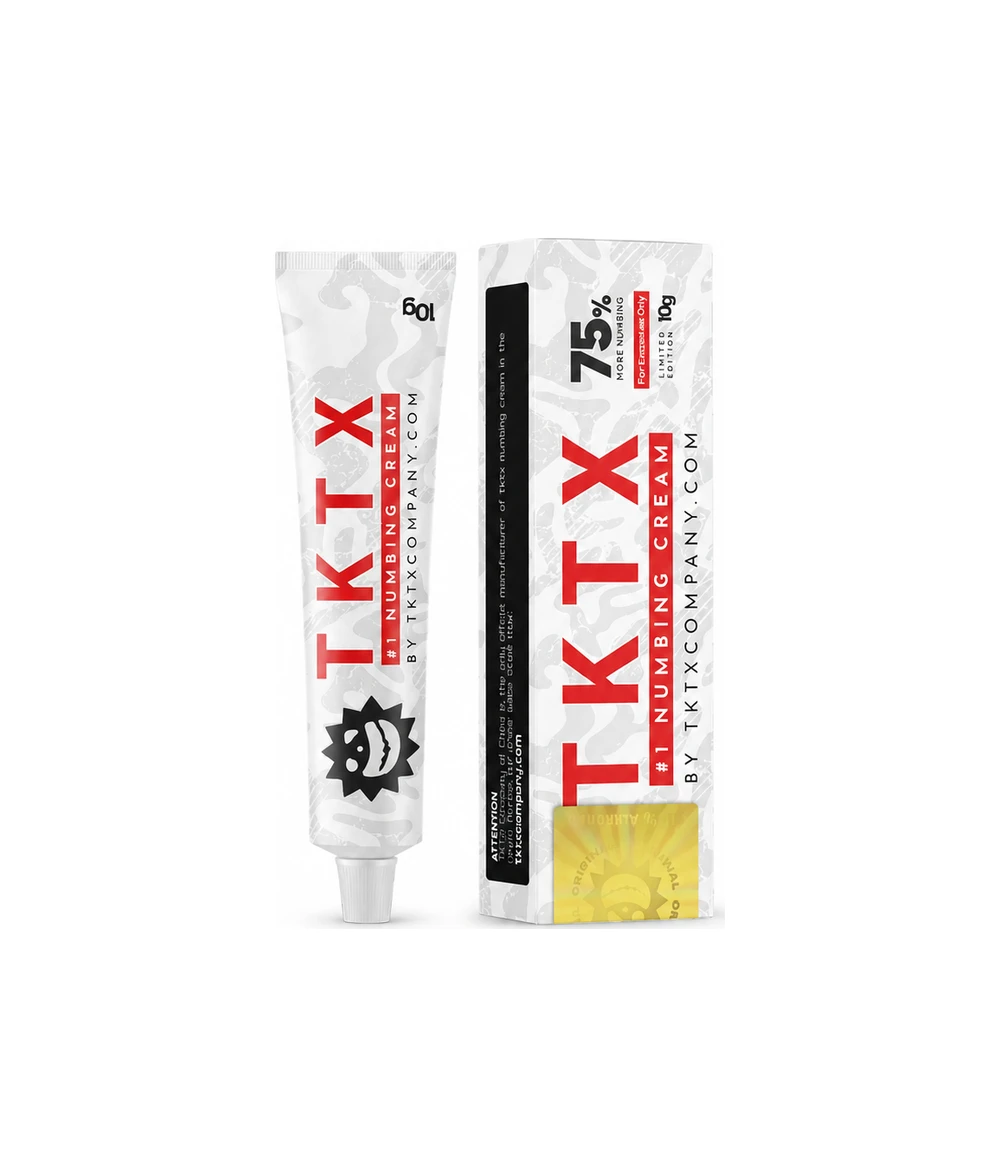
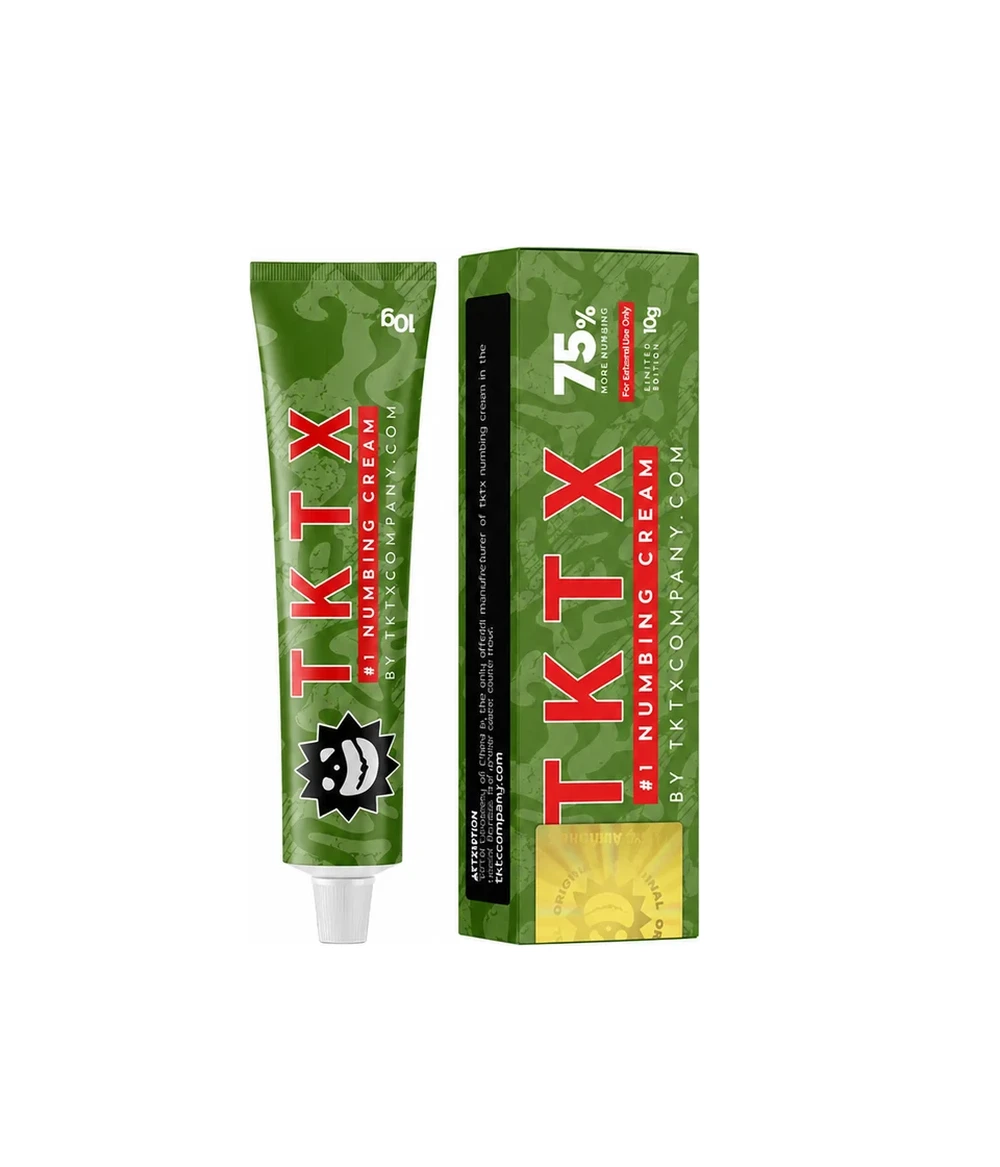
Reduce pain with TKTX cream
TKTX can reduce pain during piercing by 60-80%. Apply 45-60 minutes before your appointment and wipe off completely before piercing.
TKTX for your piercingJEWELLERY MATERIALS
The right material is essential for trouble-free healing.
Titanium (Grade 23/ASTM F136)
⭐⭐⭐⭐⭐The gold standard for fresh piercings. Hypoallergenic, lightweight, corrosion-resistant.
RecommendedNiobium
⭐⭐⭐⭐⭐Completely allergy-free, can be anodised in various colours.
RecommendedSurgical steel (ASTM F138)
⭐⭐⭐⭐Inexpensive and widespread. However, contains nickel – problematic for allergies.
Gold (14K+ solid)
⭐⭐⭐⭐Luxury option, well tolerated if solid (not plated).
PTFE/Bioplast
⭐⭐⭐Flexible and hypoallergenic. Ideal for pregnancy or X-rays.
FINDING THE RIGHT STUDIO
Choosing the right studio is crucial for safety and results.
Studio checklist
- Officially licensed and registered
- Single-use sterile needles (opened in front of you)
- Autoclave for sterilised tools
- Disposable gloves worn throughout the procedure
- High-quality jewellery materials (titanium/niobium)
- Detailed consultation before piercing
- Written aftercare instructions to take home
- Follow-up appointments or aftercare availability
- Clean, professional premises
UNDERSTANDING THE HEALING STAGES
A piercing goes through several healing stages – patience is key.
Acute inflammatory phase
Swelling, redness and minor bleeding are normal. The piercing feels warm to the touch.
Do's
- ✓ Clean with saline solution twice daily
- ✓ Do not touch except when cleaning
- ✓ Wear loose clothing
- ✓ Drink plenty of water
Don'ts
- ✗ Do not twist the jewellery
- ✗ No cosmetics on the area
- ✗ No swimming pools/saunas
- ✗ No alcohol
Proliferation phase
The body begins forming new tissue. Slight crusting is normal.
Do's
- ✓ Continue cleaning twice daily
- ✓ Be patient
- ✓ NSAIDs (e.g. ibuprofen) if needed
- ✓ Monitor for allergy symptoms
Don'ts
- ✗ DO NOT pick at crusts
- ✗ Do not change jewellery
- ✗ No scented products
- ✗ Do not submerge the piercing
Maturation phase
The outer skin has healed, but the piercing fistula is still strengthening.
Do's
- ✓ Quick clean once daily
- ✓ Only change initial jewellery once approved
- ✓ Return to piercer if issues arise
- ✓ Be patient
Don'ts
- ✗ Do not remove jewellery
- ✗ Do not touch with dirty hands
RECOGNISING WARNING SIGNS
These symptoms should be taken seriously.
CONTRA- INDICATIONS
FREQUENTLY ASKED QUESTIONS
Can I use TKTX cream before every piercing?
Yes, TKTX can be used for most piercings. It is not suitable for mucous membranes. Apply 45-60 minutes before your appointment.
How painful are piercings really?
The piercing itself only takes 1-2 seconds. Cartilage piercings are more painful than soft tissue piercings. With TKTX, you can significantly reduce the sensation of pain.
When can I change the initial jewellery?
Only once fully healed! Depending on the piercing, this takes between 6 weeks and 12 months.
Can a piercing reject?
Yes, especially surface piercings. Signs: the piercing migrates outward. Visit your piercer immediately.
What should I do if I get a piercing bump?
Do not treat it yourself! See your piercer. What usually helps: better care, longer jewellery, patience.
Recommended Products
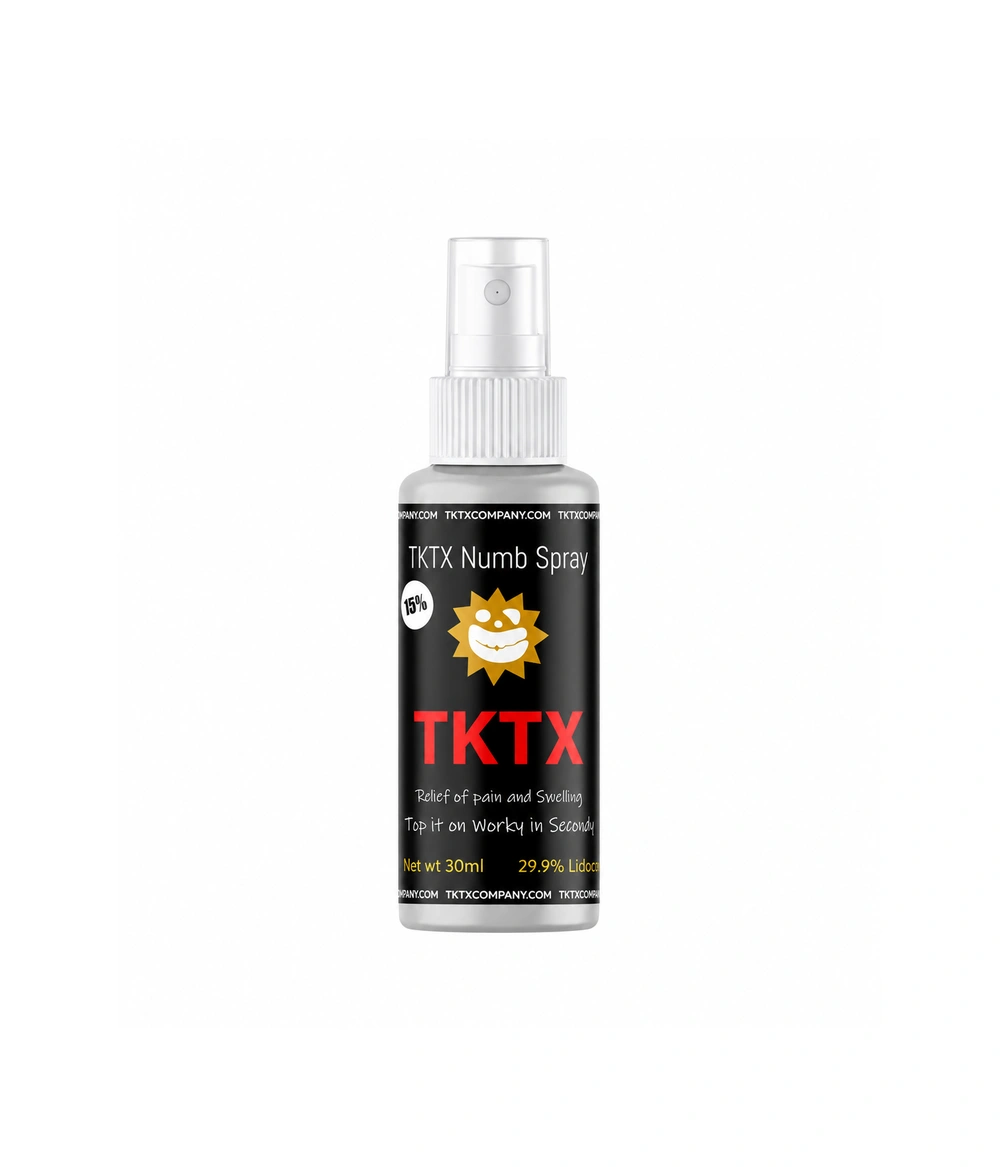
Fast-acting relief for piercings and spot treatments.